What Amenities Should You Look for When Buying an Apartment in Chennai?
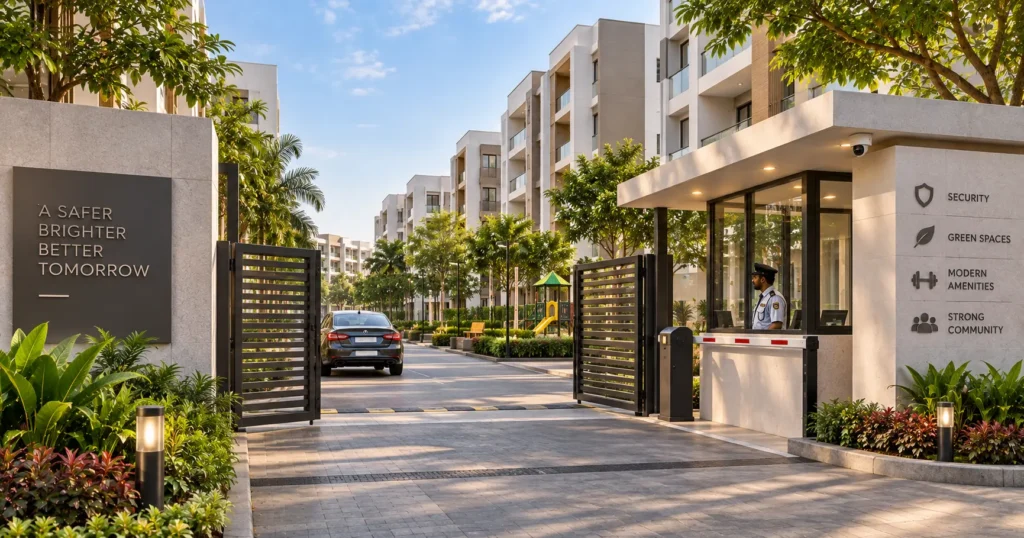
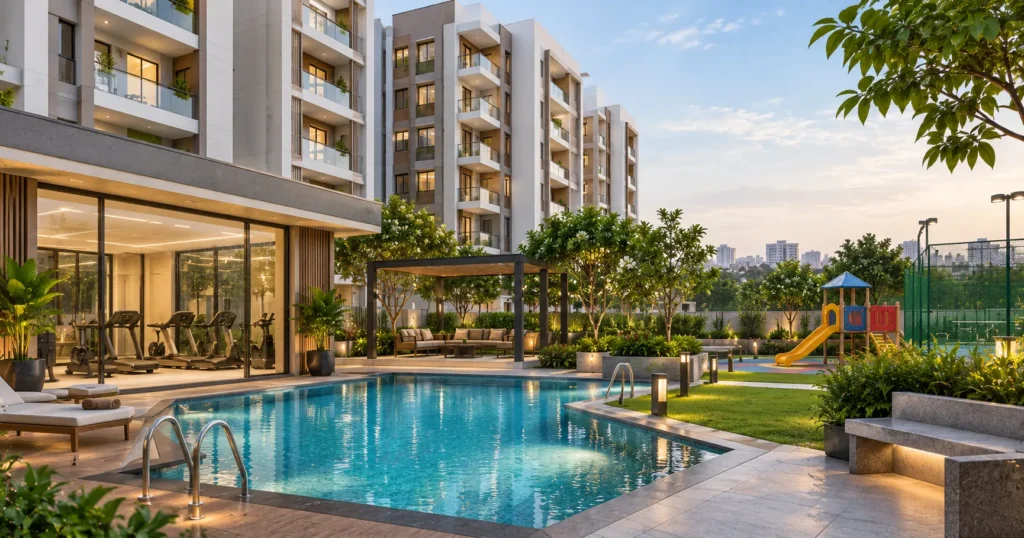
The best apartment is not necessarily the one with the longest amenities list. Before buying a flat in Chennai, first check water, access, lifts, essential power backup, parking and common-area management. Then assess facilities such as a gym, pool or clubhouse according to how often your family will use them. An amenity should improve everyday life without creating an unreasonable purchase premium or maintenance burden. Here is how to compare essential and lifestyle apartment amenities in Chennai, including their capacity and long-term upkeep. What Are Apartment Amenities? Apartment amenities are shared facilities, services or infrastructure for residents. Some support everyday operation and safety; others provide recreation, fitness, social interaction or convenience. Do not judge an amenity only by its brochure presence. Examine its size, accessibility, maintenance and the number of homes sharing it. A modest facility that works reliably may offer more value than an impressive but overcrowded feature. Essential vs Lifestyle Amenities: Quick Comparison Essential amenities Lifestyle amenities Reliable water supply and storage Swimming pool Power backup for essential services Gym or fitness room Lifts, where required Clubhouse or multipurpose hall Security and controlled access Indoor games or sports areas Fire and emergency provisions Walking or jogging track Practical parking and vehicle access Landscaped recreation spaces Drainage, sewage and waste systems Co-working or community space Common-area lighting and access Additional convenience services These are examples, not universal rules. Start with reliable infrastructure, then prioritise facilities that match your family’s routine. Essential Amenities to Check Before Buying an Apartment in Chennai 1. Reliable Water Supply and Storage Ask about the primary and backup water sources, storage capacity and whether the arrangement can support every block after full occupancy. Where applicable, check rainwater harvesting, sewage treatment and suitable reuse of treated water. Request a clear explanation of distribution, pumping backup and recurring costs rather than judging supply during early occupancy. 2. Power Backup for Essential Services Confirm whether power backup covers lifts, water pumps, common lighting, access control, and other essential systems. Apartment-level backup, if offered, may have separate limits or charges. Ask how equipment is serviced, and whether operating expenses are included in maintenance; the objective is service continuity, not simply the presence of a generator. 3. Lifts and Lift Capacity Check how many homes each lift serves, passenger capacity, backup power and whether a service lift is available where relevant. Consider what happens when one lift is under maintenance. Count usable lifts for the specific block instead of relying on a project-wide total. 4. Security and Controlled Access Look for controlled entrances, trained personnel, suitable CCTV coverage, visitor-management procedures and adequate common lighting. Check how pedestrians, deliveries and vehicles enter the community. Technology supports security but does not replace clear procedures, monitoring and equipment maintenance. 5. Fire and Emergency Preparedness Verify the fire and emergency provisions applicable to the building, including escape routes, emergency access and equipment maintenance. They must be accessible, functional and supported by a clear response process. Review approvals and project documents independently; Viva Housing’s property legal guide can help organise broader checks. 6. Parking and Vehicle Movement Confirm the type and allocation of parking. Inspect turning space, ramps, entry and exit points, pedestrian movement and visitor parking. If EV charging is offered, ask whether it is operational, shared or individually metered. Evaluate practical circulation using your normal vehicle needs, not only the brochure illustration. 7. Drainage, Sewage and Waste Management Ask how storm water, sewage and household waste will be handled. Depending on project size and location, check drainage, sewage treatment, waste segregation, collection points and maintenance access. Inspect whether utility areas are appropriately positioned and how residents can report problems. 8. Ventilation, Natural Light and Usable Open Space Visit at a relevant time of day and check airflow, daylight, privacy, shade and whether open space is genuinely usable. Consider whether children, senior residents and people with mobility needs can reach common facilities safely. Lifestyle Amenities Worth Considering Lifestyle amenities add value when they fit residents’ routines and remain affordable to operate. Ask what your household will use regularly. Swimming pool: Check size, access rules and maintenance responsibility. Gym: Inspect usable space, ventilation, equipment and residents served. Children’s area: Consider shade, visibility, age suitability and separation from vehicles. Clubhouse: Ask about capacity, booking rules and usage charges. Walking areas: Check continuity, shade and conflicts with driveways. Sports or community spaces: Prioritise facilities your household will use and confirm their upkeep plan. The presence of an amenity does not automatically make it useful. Its capacity, management and recurring cost determine its real value. Don’t Count Amenities—Check Their Capacity and Usability Two projects can advertise the same gym, lifts and clubhouse but offer different experiences. Compare facility size, homes served, peak-time demand and what happens when part is unavailable. For example, two lifts serving 80 homes differ from two serving 300; this is an illustration, not a recommended ratio. Apply the same test to water storage, parking, play areas and visitor access. Request block-level information and judge performance after full occupancy—not brochure count alone. How Much Will Apartment Amenities Cost You? Amenities affect recurring maintenance through electricity, staffing, cleaning, lift and generator servicing, water systems, landscaping and repairs. Ask how charges are calculated, what they include, how they may change, whether facilities have separate usage fees and whether a reserve or sinking fund is planned where applicable. Rely on project-specific figures only when supplied in writing. Questions to Ask About Amenities Before Booking a Flat Question Why it matters Primary and backup water sources? Day-to-day reliability Storage planned for full occupancy? Peak-demand capacity Homes served by each lift? Waiting time and resilience Services receiving power backup? Outage continuity Visitor and delivery access process? Security and convenience Parking and visitor-parking arrangement? Daily vehicle use Basis of maintenance charges? Recurring affordability Residents sharing major facilities? Actual usability Maintenance owner after handover? Long-term performance Amenities recorded in project documents? Verification Compare material promises with written project documents and your agreement Amenities That Matter Specifically for Chennai Apartments Evaluate amenities